
Overview
- Shop
- 2
- 2
- 1
- 7.5
- 2023
Description
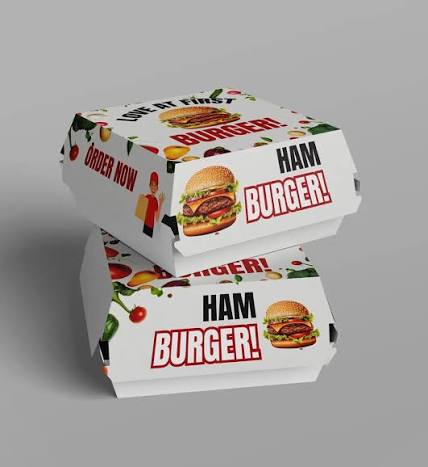
Burger packaging plays an important role in takeaway and delivery service. It helps protect the food, keeps the burger easy to carry, and shapes the customer’s first impression. Poor packaging can lead to crushed buns, messy sauces, and cold meals.
Choosing the right Custom disposable burger boxes requires more than looking at the design. Food businesses should think about the burger size, packaging material, heat, moisture, cost, and customer needs. A suitable box can help keep each order neat and enjoyable.
1. Choose the Right Box Size
The size of the box should match the burger. A small box may press against the bun and damage the toppings. A box that is too large may allow the burger to move around.
Measure the height and width of common menu items before choosing a size. If the restaurant sells regular and large burgers, it may need more than one box size.
The box should have enough room for the burger without leaving too much empty space. This helps protect the food and makes packing easier.
2. Select Suitable Packaging Materials
Packaging materials affect how well a burger stays protected. Food businesses should choose materials that are strong enough to hold the meal during handling and delivery.
Paperboard is a common choice because it can provide good support and is easy to print on. Other food-safe materials may be useful for burgers with extra sauce or moisture.
Always check that the material is suitable for direct food contact. It should also hold its shape during normal use.
3. Manage Heat and Moisture
Freshly cooked burgers release heat and steam. If too much moisture builds up inside the box, the bun may become soft and the burger may lose its texture.
Choose packaging that allows suitable airflow while still protecting the food. Small ventilation openings can help release excess steam.
The goal is to keep the burger warm without trapping too much moisture. Restaurants can test different box styles to see which one works best for their menu.
4. Make Sure the Box Is Strong
A burger box should protect food from pressure during packing, carrying, and delivery. Weak packaging may bend or open before the customer receives the order.
Check the strength of the base, sides, and closing tabs. The box should stay closed and support the burger without bending easily.
If customers often order burgers with sides, use separate containers or a suitable larger package. This can help prevent fries and other items from pressing against the burger.
5. Consider Grease and Sauce Protection
Burgers often contain sauces, cheese, and other ingredients that can leave grease marks. Packaging should help contain these ingredients and keep the outside clean.
Choose food-safe materials that can handle the expected amount of grease and moisture. A suitable inner coating may help prevent oil from soaking through the box.
Test the package with actual menu items before placing a large order. This can show whether the box stays clean and holds up during use.
6. Keep Branding Simple and Clear
Burger packaging can help customers recognize a restaurant. A clear logo, familiar colors, and a simple design can make the brand easier to remember.
Avoid adding too many words or images. Keep important details easy to see and make sure the print does not affect the package’s main purpose.
A consistent design across burger boxes, drink cups, and takeaway bags can also help create a more familiar customer experience.
7. Think About Customer Convenience
Customers should be able to carry and open burger packaging without difficulty. A box that is hard to open or does not close properly can make the meal less convenient.
Look for secure closing tabs and a shape that is easy to hold. The box should also stay stable when placed on a table or inside a delivery bag.
For takeaway orders, consider how customers will carry several items together. Packaging that fits neatly into a bag can make the order easier to manage.
8. Review Food Safety and Storage Needs
Food safety should be part of every packaging decision. Boxes should be clean, food-safe, and stored properly before use.
Keep unused packaging in a dry area away from dust, chemicals, and moisture. Staff should handle boxes with clean hands and avoid using damaged or dirty packages.
Restaurants should also follow food handling rules for preparing and serving burgers. Packaging supports safe handling, but it cannot replace proper cooking, storage, and hygiene practices.
9. Compare Cost, Quantity, and Supply
Cost matters, especially for restaurants that pack many orders each day. However, the cheapest box may not always be the best choice if it bends, leaks grease, or damages food.
Compare the price, material quality, size, and printing options before making a decision. Consider how many boxes the business uses each week and how much storage space is available.
It is also important to check delivery times and supply reliability. A steady supply helps restaurants avoid last-minute changes that may affect daily service.
Conclusion
Selecting burger packaging requires careful thought about size, strength, material, heat control, grease protection, and customer convenience. Food businesses should test boxes with their actual menu items before choosing a final option. They should also consider branding, storage, cost, and supply needs. Working with dependable custom packaging companies in USA can help restaurants compare suitable options and choose packaging that protects their burgers while supporting a consistent customer experience.
Address
Open on Google Maps- Address 18 Prospect St, Hicksville, NY 11801, United States
- City Hicksville
- State/county NY
- Zip/Postal Code 11801
- Area 18 Prospect St
- Country United States
Details
Updated on November 19, 2026 at 5:31 pm- Property ID: HZ514123435
- Price: o.43
- Property Size: 7.5 19sqft
- Land Area: United States 17sqft
- Bedrooms: 2
- Bathrooms: 2
- Garage: 1
- Garage Size: 19.7
- Year Built: 2023
- Property Type: Shop
- Property Status: For Sale
Features
Mortgage Calculator
- Principal & Interest
- Property Tax
- Home Insurance
- PMI