
bonita60g46006
About bonita60g46006
Succeed With Bathroom In 24 Hours
 The real estate market does not move in one direction nationwide. It never has. What is happening in Austin is not what is happening in Cleveland. What is true for a three-bedroom in the suburbs of Dallas has almost nothing to do with a two-bedroom in San Francisco. Before you do anything else, narrow your focus to the specific market you are shopping in and stop reading national headlines as if they apply to you personally.
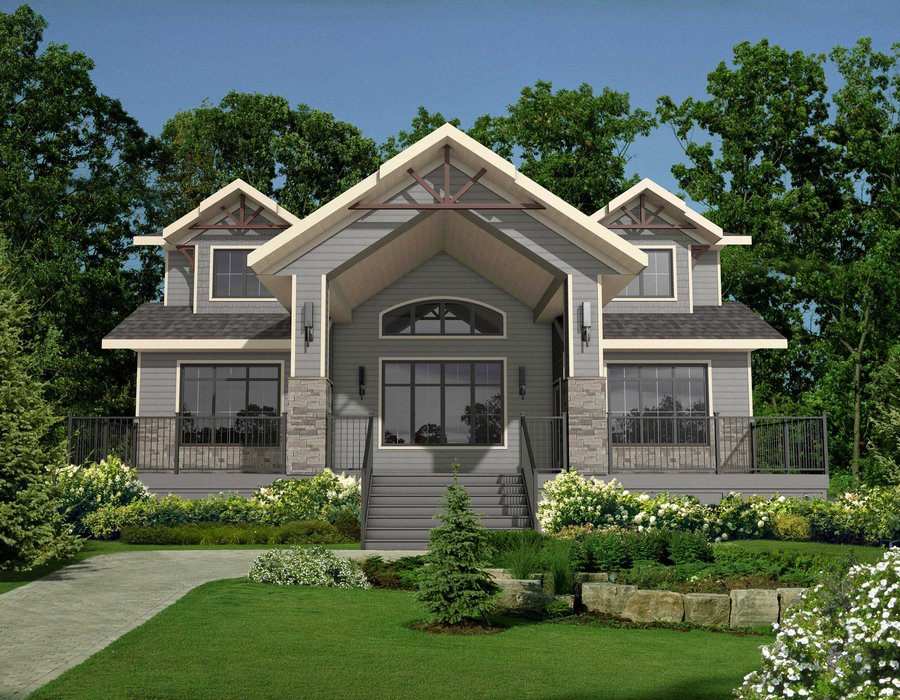 Home prices at the national level have held close to their peaks despite a sharp rise in mortgage rates. The reason is supply. The locked-in effect has kept available inventory at historically low levels in most markets, which means the correction that many analysts were expecting simply did not materialize the way the data suggested it should.
 Affordability, by the standard measure of what share of median household income goes toward the monthly payment on a median-priced home, is near its worst level since the early 1980s. That is a real problem, and it is not going away quickly. That measure being at a historical extreme does not automatically produce a correction. What it means, practically, is that fewer people can compete for each property.
Shop more than one institution, because the spread in rates and costs is real. A quarter-point difference in your interest rate adds up to real money that most buyers leave on the table by taking the first offer they receive. Lender fees vary too. Do not compare rate quotes without also comparing origination fees, points, and closing costs.
The appraisal is the lender’s check, not yours. If the home appraises below the contract price, the lender will only finance against the appraised value. Ask your agent whether recent comparable sales support the price you are offering.
Budget two to four percent of the purchase price for closing costs, on top of your down payment. First-time buyers are sometimes surprised by how much cash is required beyond the down payment itself. Ask your lender for a Loan Estimate with a realistic purchase price so the numbers reflect what you are actually going to face.
 The timing question, whether to buy now or wait for rates to come down, is the one that trips up more buyers than any other single factor. The record on market timing for owner-occupied housing is not encouraging. The more useful question is not whether now is the right time in the abstract; it is whether the home works for your actual life for the next five to seven years.
 The buyers who come out ahead in this market are not the ones who waited for perfect conditions. They are the ones who got their finances in order early. If you are ready to take that step, real estate listings and buyer tools are a practical starting point.
No listing found.